 Přihlásit se
 Košík
Košík
Loading...
Váš nákupný košík je momentálne prázdny.
Přidejte produkty do košíku.


Váš nákupný košík je momentálne prázdny.
Přidejte produkty do košíku.
Spánek je klíčový pro naše zdraví i duševní pohodu. Během noci procházíme různými fázemi, přičemž každá má svůj význam pro regeneraci těla a mysli. Pro lepší porozumění spánku je důležité znát rozdíl mezi REM a NON-REM fází a vědět, jak zlepšit jeho kvalitu.
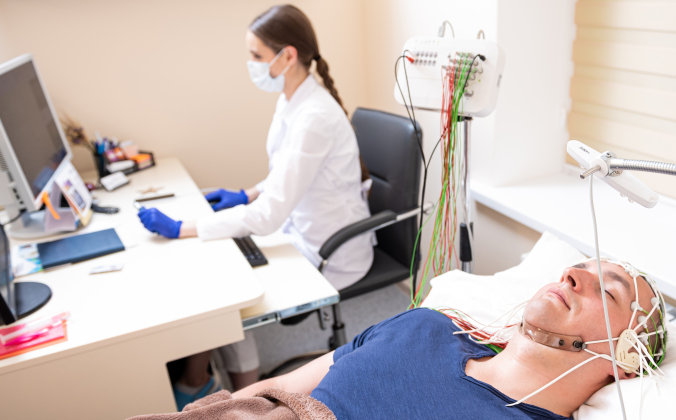
Kvalitní spánek není jen o tom, kolik hodin strávíte v posteli, ale především o tom, jakými fázemi vaše tělo a mozek během noci projdou. Během odpočinku totiž nespíme jedním nepřerušovaným, monotónním spánkem. Náš mozek naopak prochází dynamickými procesy a střídá různé spánkové cykly. Pojďme se podrobně podívat na to, jak fungují jednotlivé fáze spánku, proč je pro naši paměť klíčový spánek rem fáze a jaký vliv má noční regenerace na naše celkové zdraví.
Lidský spánek se skládá ze čtyř hlavních fází, které se během noci několikrát opakují. Tyto spánkové cykly trvají přibližně 90 až 120 minut. Fáze spánku a jejich délka se mohou lišit v závislosti na věku, aktuálním zdravotním stavu i vnějších faktorech. Pro lepší představu jsme pro vás připravili přehlednou tabulku:
| Fáze spánku | Délka / Podíl | Hlavní charakteristika |
|---|---|---|
| 1. fáze (NREM 1) | 5–10 minut | Lehký přechod mezi bdělostí a spánkem. Svaly se uvolňují, srdeční tep zpomaluje. Z této fáze se lze velmi snadno probudit. |
| 2. fáze (NREM 2) | 45–55 % noci | Teplota těla klesá, dýchání je pravidelné. Mozek produkuje tzv. spánková vřetena, která nás udržují ve spánkovém stavu. |
| 3. fáze (NREM 3) | 15–20 % noci | Nejhlubší část spánku (delta spánek). Dochází k maximální fyzické regeneraci tkání a uvolňování růstového hormonu. |
| 4. fáze (REM) | 20–25 % noci | Vysoká mozková aktivita, rychlé pohyby očí, živé sny. Klíčová fáze pro paměť, emoce a mentální zdraví. |
NON-REM spánek zahrnuje první tři fáze spánkového cyklu (NREM 1 až 3) a představuje přibližně 75–80 % celkové doby spánku u dospělých. Tento typ spánku se vyznačuje postupným zpomalováním mozkové aktivity, poklesem tělesné teploty, srdeční frekvence i krevního tlaku.
Během těchto fází dochází k nezbytným fyziologickým procesům: k obnově svalových tkání, zpevňování kostí a posilování imunitního systému. Právě během hlubokého delta spánku se také z mozku odstraňují metabolické odpadní látky. Nedostatečný hluboký spánek vede k narušení těchto čisticích procesů a zvyšuje riziko neurodegenerativních onemocnění. Zajímá vás, jak tuto fázi podpořit? Přečtěte si 7 ověřených tipů, jak zlepšit hluboký spánek.
REM spánek (Rapid Eye Movement) je čtvrtou a zároveň nejvíce fascinující fází celého cyklu. Vyznačuje se rychlými pohyby očí pod zavřenými víčky, extrémně vysokou mozkovou aktivitou (podobnou stavu bdělosti) a nejintenzivnějšími sny.
Během REM fáze dochází k paradoxnímu jevu – zatímco mozek „jede na plné obrátky“, svaly těla jsou dočasně a téměř úplně ochrnuté. Tato přirozená spánková paralýza funguje jako ochranný mechanismus, který nám zabraňuje fyzicky prožívat a přehrávat naše sny. Spánek rem fáze má zcela klíčový význam pro konsolidaci (ukládání) paměti, zpracovávání silných emočních zážitků a podporu kreativního myšlení.
Délka REM fáze se v průběhu života dramaticky mění. U novorozenců tvoří až 50 % celkové doby spánku, což odráží obrovskou potřebu vývoje nervového systému v raném věku. U dospělých představuje rem spánek obvykle 20–25 % noci, přičemž se tyto epizody prodlužují směrem k ránu (proto si ranní sny pamatujeme nejlépe). U seniorů pak podíl REM spánku často klesá na 15–20 %, což může souviset s přirozenými věkovými změnami kognitivních funkcí.

Spánková setrvačnost je onen pocit dezorientace, „mlhy“ a zhoršeného myšlení bezprostředně po ranním zazvonění budíku. Její intenzita závisí na tom, v jaké fázi cyklu se zrovna probudíte. Pokud vás budík vytrhne z nejhlubší 3. fáze spánku, spánková setrvačnost bude mnohem silnější, než když se probudíte na konci REM fáze nebo v lehkém spánku (fáze 1).
Optimalizace REM spánku začíná u základní spánkové hygieny. Co byste měli dodržovat?
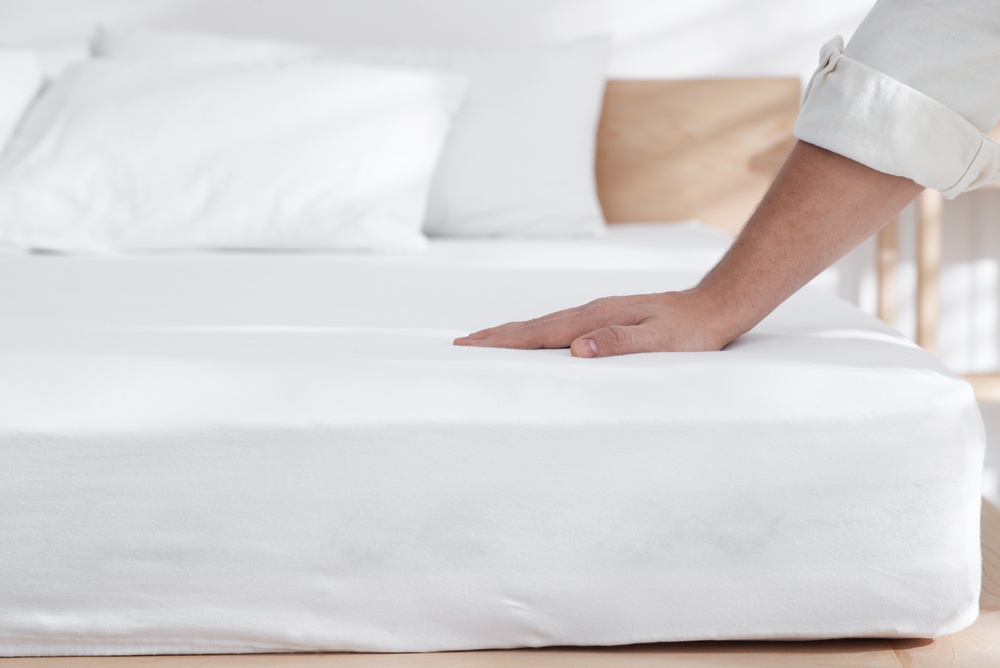
I když dodržíte všechna pravidla, na proleženém gauči se do hlubokého spánku dostanete jen stěží. Matrace je naprostým základem. Kvalitní ložná plocha poskytuje tělu oporu, správně rozkládá tlak a udržuje optimální termoregulaci. Opotřebovaná matrace způsobuje svalové napětí, které vás v noci neustále podvědomě budí a vytrhává z důležitých spánkových cyklů. Pokud si nejste jistí výběrem, nahlédněte do našeho průvodce 5 kroků, jak vybrat správnou matraci.
Investice do kvalitního spánku představuje jednu z nejlepších věcí, kterou můžete pro své tělo i mysl udělat. Každá fáze spánku, ať už lehká, hluboká nebo REM, má svůj nezastupitelný úkol v regeneraci organismu. Pokud porozumíte vlastním spánkovým potřebám, upravíte prostředí v ložnici a zvolíte správnou ortopedickou oporu v podobě kvalitní matrace, výrazně si zlepšíte nejen kognitivní výkonnost, ale i celkovou kvalitu života.
Bohužel nedá. Dlouhé víkendové vyspávání sice přinese krátkodobou úlevu, ale tzv. spánkový dluh zcela nesmaže. Navíc tím narušíte svůj přirozený cirkadiánní rytmus (spánkové cykly), což paradoxně způsobí, že v neděli večer nebudete moci usnout a v pondělí ráno se probudíte ještě unavenější.
Pamatování snů závisí na tom, ve které fázi se probudíte. Pokud se probudíte přímo z REM fáze (nebo těsně po ní), sen si s velkou pravděpodobností zapamatujete. Sny, které probíhají na začátku noci, obvykle mozek „přemaže“ dalšími fázemi hlubokého spánku.
 Výprodej

 Matrace
 Postele z masivu
 Rošty do postele
 Čalouněný nábytek
 Akční sety
 Polštáře a bytový textil
 Zdravotní polohovací pomůcky
 Ostatní výrobky PURTEX
 Akční produkty za zvýhodněné ceny
 Potahy na matrace
 Pelíšky pro psy
 Zlevněné zboží