 Log in


 Cart
Cart
Loading...
Váš nákupný košík je momentálne prázdny.
Přidejte produkty do košíku.
The quality of sleep is crucial for our physical and mental health and well-being. The right sleeping position plays a key role in how we feel upon waking and how sleep affects our body. We'll take a closer look at different sleeping positions, their advantages and disadvantages, and how they can impact our health.
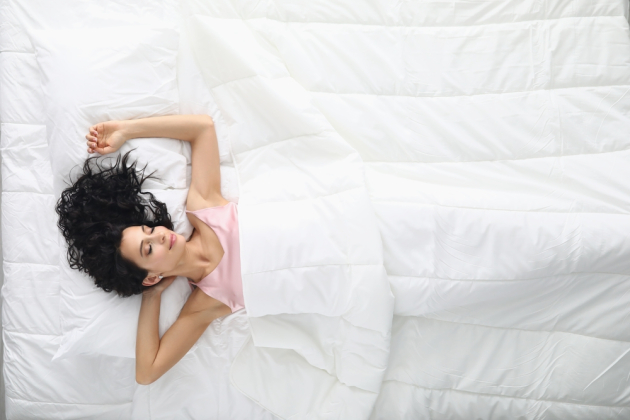
Sleeping on your back is often considered one of the best positions for healthy sleep. This position helps maintain the spine and neck in a neutral position, which can contribute to the prevention of back and neck pain. It evenly distributes body weight, reducing pressure on the joints and helping to prevent soreness. Sleeping on your back may also help prevent the formation of wrinkles, as the face is not pressed against the pillow. On the other hand, for those prone to snoring or sleep apnea, sleeping on your back can be problematic, as this position may cause the neck muscles to relax and obstruct the airways. This position can also cause acid reflux in individuals with gastroesophageal reflux disease (GERD).
Sleeping on your side is one of the most common and natural sleeping positions. There are different variations of this position, such as sleeping on the left or right side, each with its specific advantages and disadvantages. Sleeping on the left side may help improve digestion and reduce the risk of acid reflux, as this position helps keep stomach acid in the stomach. Side sleeping can help reduce snoring and improve breathing, which is beneficial for those suffering from sleep apnea. The correct side sleeping position with a suitable pillow between the knees can help keep the spine in a neutral position and reduce pressure on the back and joints. However, side sleeping can also cause pressure on the shoulders and hips, leading to pain and discomfort. This position can also contribute to the formation of wrinkles and acne, as the face is pressed against the pillow.
The fetal position, or sleeping curled up, is a variant of side sleeping where the knees are drawn up to the chest. This position can provide a sense of safety and comfort, which may contribute to better sleep. Sleeping in the fetal position, especially on the left side, is often recommended for pregnant women as it improves blood flow to the fetus and organs. However, excessively pulling the knees to the chest can cause tension in the back and joints, potentially leading to pain. This position may also restrict the ability to breathe deeply, which can affect sleep quality.
Sleeping on your stomach is a less common position that has its specific advantages and disadvantages. It can help reduce snoring since the airways remain open. However, this position can lead to neck and back pain because the spine is not in a neutral position and the neck is often turned to one side. Stomach sleeping can also put pressure on internal organs and restrict breathing, which can affect sleep quality.
There is no single best sleeping position that suits everyone. The best sleeping position depends on individual needs, health status, and personal preferences. It's important to experiment with different positions to find the one that provides you with the most comfortable and healthiest sleep. Investing in a quality mattress and pillow and maintaining proper sleep hygiene can significantly contribute to better sleep quality and overall well-being. Personal preference and comfort play a key role in selecting the best sleeping position. Everyone has different preferences, and what may be comfortable for one person may not be for another. It's essential to experiment with various positions to find the one that gives you the best sleep.
If you suffer from specific health issues, such as back pain, neck pain, sleep apnea, or acid reflux, you should consider positions that may alleviate these problems. For example, individuals with acid reflux may benefit from sleeping on their left side, while those with back pain may prefer sleeping on their back with a pillow under their knees.
The right supportive mattress and pillow can significantly impact comfort and support during sleep. Pillows should keep the head and neck in a neutral position, and the mattress should be firm enough to provide support for the spine while also being soft enough to relieve pressure points. When choosing a sleeping position, it's important to keep the body balanced. For instance, if you sleep on your side, it may be helpful to place a pillow between your knees to reduce pressure on the hips and maintain the spine in a straight line.
There is no single best sleeping position that suits everyone. The best sleeping position depends on individual needs, health status, and personal preferences. It's important to experiment with different positions to find the one that provides you with the most comfortable and healthiest sleep. Investing in a quality mattress and pillows and maintaining proper sleep hygiene can significantly contribute to better sleep quality and overall well-being.
 Sale
Sale

 Mattress
 Solid Wood Beds
 Bed Bases
 Upholstered Furniture
 Action Sets
 Pillows and Home Textiles
 Health Positioning Aids
 Other PURTEX products
 Action Products at Discounted Prices
 Mattress covers
 Dog beds
 Discounted Goods