 Log in


 Cart
Cart
Loading...
Váš nákupný košík je momentálne prázdny.
Přidejte produkty do košíku.
We spend a significant part of our lives sleeping, yet most people know very little about it. Sleep is a mysterious state during which we recover lost energy, dream, and our bodies regenerate. There are many interesting facts related to sleep that you may not have known. Since ensuring quality sleep is our mission, we would like to share some of them with you.
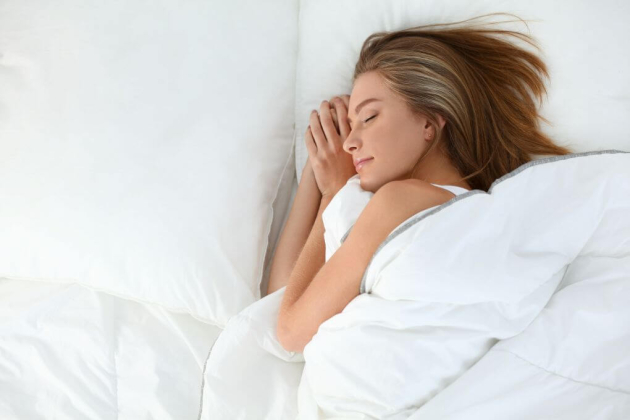
We spend a significant part of our lives sleeping, yet most people know very little about it. Sleep is a mysterious state during which we recover lost energy, dream, and our bodies regenerate. There are many interesting facts related to sleep that you may not have known. Since ensuring quality sleep is our mission, we would like to share some of them with you.
Studies show that about 12% of people dream in black and white. While this may seem surprising, before the introduction of color television, this figure was closer to 75%. From this, you could rightly deduce that television has a significant influence on our sleep habits.
As human beings, we are able to stay awake even when our bodies signal that it is time to sleep. Interestingly, all other mammals do not possess this ability and must go to sleep when their bodies feel the need.
Male and female circadian rhythms differ slightly. These rhythms determine our sleep and wake cycles, as well as many other functions of our internal body clock. On average, men have a longer circadian rhythm of about six minutes, meaning they often feel less tired in the evenings. Women, on the other hand, tend to have shorter cycles, making them generally prone to waking up earlier.
During winter months and flu season, it is recommended to sleep seven to eight hours every night. This will help your body keep your hardworking immune system in optimal condition.
Sleepwalking is more common in children, but it is estimated that up to 4% of adults are sleepwalkers. Studies increasingly demonstrate the connection between genetics and sleepwalking, with 61% of children being sleepwalkers if both of their parents exhibit this behavior.
The ideal time to fall asleep is around a quarter of an hour. If you find that you nod off in 5 minutes or less, it is likely that you are suffering from sleep deprivation.
You can gain up to 42 minutes of extra sleep by replacing your old bed with a new one. Investing in a quality bed and mattress is therefore very important.
We all wake up several times during the night, usually without even realizing it. This can be caused by room temperature, your partner's movement, or some noise. Waking up at night is nothing to be worried about; during sleep, we go through various phases, which are sprinkled with brief awakenings.
The higher you are, the less oxygen there is in the atmosphere, making it much harder to fall asleep. Plants that naturally release oxygen into the air at night can help counteract some of these side effects.
When we sleep, something unusual happens with our senses... Studies have shown that noise can penetrate our consciousness and wake us up, but smells cannot. This is said to be one of the reasons why fire alarms were invented.
Did you know that you burn calories while sleeping? While the amount may vary depending on your weight, the average person burns 50 calories per hour, meaning they can burn up to 400 calories in one night.
Because babies spend so much time growing and developing, their bodies can burn a lot of energy. As a result, they need twice as much sleep as the average adult.
Those who indulge in sweet snacks before bed may be more likely to experience nightmares or other bizarre dreams.
Lack of sleep can lead to symptoms very similar to depression. So if you are struggling with any mental health issues, it is more important than ever to get plenty of rest.
 Sale
Sale

 Mattress
 Solid Wood Beds
 Bed Bases
 Upholstered Furniture
 Action Sets
 Pillows and Home Textiles
 Health Positioning Aids
 Other PURTEX products
 Action Products at Discounted Prices
 Mattress covers
 Dog beds
 Discounted Goods