 Log in


 Cart
Cart
Loading...
Váš nákupný košík je momentálne prázdny.
Přidejte produkty do košíku.
Stress is one of the biggest enemies of sleep. Some people go through stressful periods that can last for days, while for others it might be weeks or even months. Stress can arise from job pressures, exam periods, breakups, natural disasters, death in the family, or health and financial issues. Whatever the source, it's important to learn to function and sleep even during these challenging times. Sleep is essential for recovery and
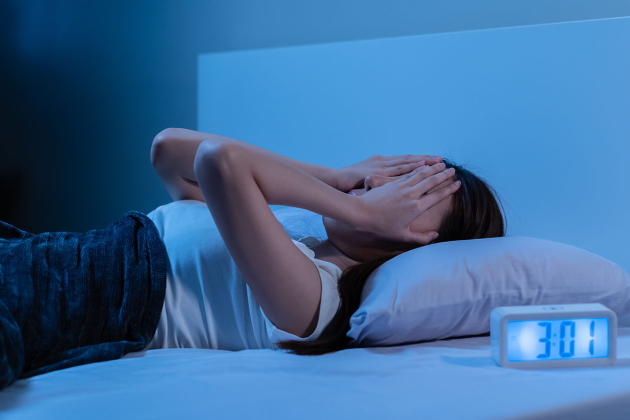
During stress, the body releases many stress hormones, particularly adrenaline and cortisol. Just as the body is capable of provoking stress, it also has mechanisms that can bring relaxation, and it is important to learn to utilize these mechanisms. Remember, you are the one who decides how you will feel. Your conscious thoughts influence your entire body. Whenever you catch yourself thinking negatively, feeling pessimistic, or dwelling on things that cause you stress, acknowledge it and immediately start thinking positively. Picture how you would like to feel or how you wish the situations around you would turn out. Are you facing a tough test? Instead of stressing about failing, imagine the joy you will feel when you pass successfully. The brain does not differentiate between reality and imagination, so try to fill your mind with positive thoughts, and your brain won’t have a reason to waste stress hormones, which will also help you sleep better.
Whatever problem is bothering you, you won’t solve it by continually thinking about it. Even if you’re in a situation that needs addressing, set aside some time for your mind to focus on the problem, and take time to rest from it. Isolate the issue, and during your relaxation time, treat all your problems as foreign matters that do not concern you. This break from problems can help you find peace for the much-desired sleep.
Deep breathing is a relaxation technique you can use any time, not just before sleep. The goal is to breathe slowly, evenly, and deeply. While there are many structured methods for deep breathing, simply start by inhaling slowly and deeply. Then hold your breath for a moment, and slowly exhale. You may also place your hand on your belly or chest to feel how it moves with your breath. It's a calming practice you can do for as long as it takes until you fall asleep.
Progressive relaxation is a technique that requires focusing on specific parts of the body. Take a few gentle breaths in and out. As you breathe, start tensing muscle groups one by one. With each exhale, feel how the muscle group relaxes and enjoy this feeling. Start with the muscles in your head, neck, and face. Move down to your shoulders, arms, and hands, then to your back, abdomen, buttocks, thighs, calves, and feet. Repeat for any areas that remain tense. This allows you to release the physical tension and stress you may be experiencing. To practice progressive relaxation, try to slowly focus on the parts of your body and notice any sensations or pains. Keep your attention fully on your body and don’t let any distracting thoughts disturb you. Once your body is relaxed, you will calmly drift off to sleep.
If possible, try to avoid stressful situations. If you cannot escape certain circumstances, like an unpleasant conversation, try to address them as quickly as possible and then move on. Don’t carry all your obligations in your mind because you will continue to think about them. Resolve immediate matters and write down those that cannot be handled right away on paper or in your planner. If you only plan tasks in your head, these thoughts will keep swirling around. Write down everything you need to do. Then you can fall asleep calmly, knowing you have everything well planned and don’t need to think about it.
 Sale
Sale

 Mattress
 Solid Wood Beds
 Bed Bases
 Upholstered Furniture
 Action Sets
 Pillows and Home Textiles
 Health Positioning Aids
 Other PURTEX products
 Action Products at Discounted Prices
 Mattress covers
 Dog beds
 Discounted Goods