 Log in


 Cart
Cart
Loading...
Váš nákupný košík je momentálne prázdny.
Přidejte produkty do košíku.
Do you wake up in the middle of the night terrified from a bad dream? Nightmares can be caused by stress, the environment, or an uncomfortable mattress. This article explains why they occur and how to effectively prevent them – from mental hygiene to choosing the right bed.
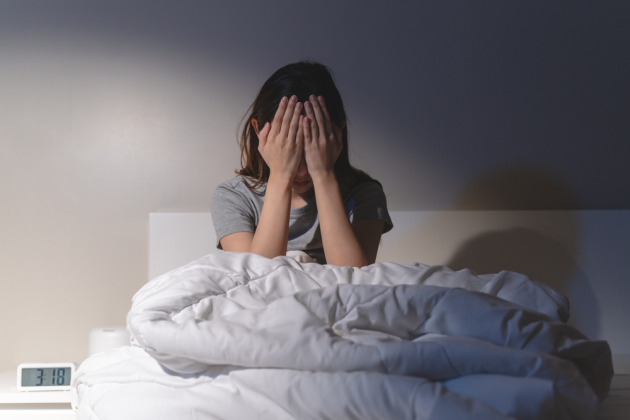
Nightmares are vivid and often very disturbing dreams that evoke strong negative emotions, most commonly fear, anxiety, helplessness, or sadness. Unlike regular dreams, nightmares usually wake us up and leave an intense emotional impression. Most nightmares occur during the REM sleep phase when our brain is very active and dreams are the most vivid. During REM, we process emotions, memories, and experiences we had during the day. If our brain is exposed to stress, anxiety, or traumatic memories, it can affect the content of the dream and turn it into a nightmare.
Why Do Bad Dreams Occur? A person's mental state, daily habits, and the physical environment in which they sleep can play a crucial role. People under pressure, exposed to long-term stress or sleep-deprived, are more prone to negative dreaming. Excessive heat or cold, noise, or an uncomfortable bed can also increase the likelihood of having a nightmare. You might wonder why you have nightmares if you don't experience any of the above? The brain is complex, as is our subconscious. Nightmares can sometimes appear even without an obvious cause, and usually, they are just one-off experiences.
There is usually a reason for bad dreams, sometimes even a whole range of them. Below are the most common causes you should try to eliminate for a peaceful night's sleep.
Nightmares in children are common. They most often occur between the ages of 3 and 10 and are related to the development of imagination, new experiences, and the processing of emotions. Children often do not yet interpret everything correctly, which is why they may have dreams filled with monsters, darkness, or separation from their parents. Triggers include thrilling or scary films, changes in daily routine, school stress, family arguments, or fears of the unknown. It is important to reassure the child, not to belittle their feelings, and to offer them a sense of security. If nightmares persist or are very frequent, it may be appropriate to seek help from a child psychologist.
The sleeping environment greatly influences children's bad dreams as well. The child's room should be calm, cozy, and safe. Routine calming rituals before sleep, such as reading fairy tales, gentle light, silence, or relaxing music, help the child to fall asleep peacefully and without fear.
Sleep consists of several cycles that alternate throughout the night. The REM phase, during which most nightmares occur, happens multiple times a night – first about 90 minutes after falling asleep. If sleep is disturbed and a person wakes up frequently, the chances increase that they will "get caught" in the REM phase and wake up in the middle of an intense dream. Poor-quality sleep can be a reason for bad dreams. It is usually caused by stress, irregular schedules, alcohol, or chronic overload. It affects not only physical health but also mental well-being. The brain then cannot effectively process emotions and may produce more negative dreams. Maintaining a regular sleep rhythm, a healthy lifestyle, and reducing evening stimulation can significantly reduce the occurrence of nightmares.
Yes, partly yes. It's crucial to focus on mental well-being, quality sleep, and a healthy lifestyle. If nightmares persist and significantly affect your life, do not hesitate to seek professional help – they may be a symptom of deeper psychological problems that deserve attention. Remember that dreams are merely a reflection of our inner self – and even the scariest ones can be understood, processed, and eventually eliminated.
A tense body during sleep = incomplete rest. Sleep should be a time for regeneration. However, if we lie on an uncomfortable mattress, our body is not in a natural position, and muscles are often tense. This not only causes pain or stiffness upon waking but also disrupts the actual course of sleep – the brain does not have ideal conditions for deep rest, which can also affect the content of dreams. A poor-quality mattress can cause so-called micro-awakenings – short, often unrecognized awakenings during the night. These interruptions in the REM phase, where we dream the most, can lead to confused, fragmented, and often unpleasant dreaming. In these transitions between wakefulness and sleep, the brain may generate especially intense or frightening images.
The right mattress should provide even support to the spine, adapt to body weight, and allow the muscles to relax completely. Everyone has different needs based on their weight, height, and especially sleep position. Here you can read which sleeping position is best. Depending on your sleep position, you should consider the choice of mattress. We recommend following these guidelines:
The mattress should conform to the shape of the body and provide support in the necessary areas – particularly in the lumbar region. Prolonged sleep in an unnatural position can lead to internal tension, which also reflects in mental well-being and subsequently in the content of dreams. More detailed advice on selection can be found in our article "5 Steps to Choosing the Right Mattress". If you are particular or have health issues, our Medical mattresses may be especially suitable for you.
The mattress is just one of the possible solutions to eliminate nightmares. Overall healthy sleeping habits and environment significantly affect how we sleep and the dreams we have. Here are some more useful tips:
Nightmares are not just a product of our imagination. They often reflect physical and mental discomfort. A poor mattress, stress, chaos in the daily routine, and evening habits can increase the risk of their occurrence. Fortunately, there are many ways to eliminate nightmares or at least reduce them – whether through choosing a comfortable mattress, adjusting the sleeping environment, or using relaxation techniques. Quality sleep is not a luxury but a basic need. And when both body and mind truly rest, dreams have no reason to frighten.
 Sale
Sale

 Mattress
 Solid Wood Beds
 Bed Bases
 Upholstered Furniture
 Action Sets
 Pillows and Home Textiles
 Health Positioning Aids
 Other PURTEX products
 Action Products at Discounted Prices
 Mattress covers
 Dog beds
 Discounted Goods