 Log in


 Cart
Cart
Loading...
Váš nákupný košík je momentálne prázdny.
Přidejte produkty do košíku.
Does everyday back pain keep you awake? A herniated disc requires a comprehensive approach, and the first step to relief is proper body support during the night. If you're unsure which mattress to choose for a herniated disc, we have prepared an expert guide for you. You will learn why extreme firmness of the bed can actually harm your back and which materials best support the recovery of your spine.
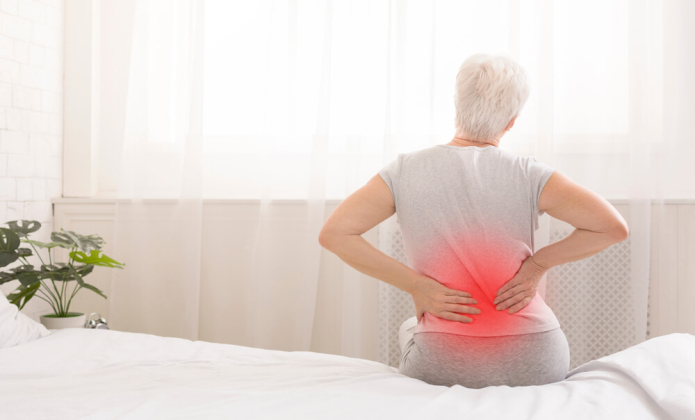
A herniated disc painfully presses on the nerve roots. The goal of nighttime rest is to relieve pressure on the vertebrae as much as possible so the disc can absorb fluid again and effectively regenerate. For this, you need to keep your spine in an anatomically neutral position throughout the night. The right support distributes your body weight so that the muscles around the spine don’t have to tense up and maintain balance all night long.
Many people still believe in the outdated myth that if you have back pain, you must sleep on a hard surface. However, a surface that is too hard will not yield to the shoulder and hip joints. The body then rests on just a few points, leading to an unnatural arch in the lumbar area. Conversely, a bed that is too soft causes the body to sag into the shape of a hammock, which dramatically increases pressure on the damaged discs.
The ideal mattress for a herniated disc has a medium to high firmness (typically level 3 or 4 out of 5). Always consider your body weight – heavier individuals logically need a firmer core than those with a lighter weight. For wider context and additional useful tips, we recommend checking out our comprehensive article on how to choose a mattress for back pain.
Important Orthopedic Tip:
Look into so-called anatomical zoning. Top health models have surfaces divided into several zones with different firmness levels. The material is more yielding in the pelvic and shoulder areas, while the lumbar section provides firmer support. This gives your spine a perfect horizontal line.
The key to success is the ability of the material to precisely conform to the shape of your body without creating uncomfortable counter-pressure. A great choice is memory (viscoelastic) foam. It responds sensitively to body heat, softens, and does not create pressure points on inflamed or painful areas. Manufacturers often combine it with a firmer core made of cold HR foam, which ensures necessary load capacity and excellent breathability.
If you are looking for uncompromising quality and clinically tested support for the most demanding backs, explore our specialized range of certified Medical mattresses.
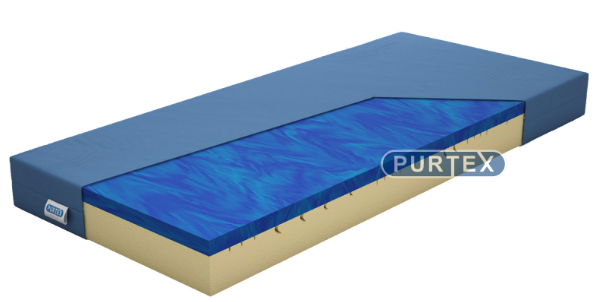
Both options work great if you choose the right firmness and zoning. Modern pocket springs beautifully contour to the body, while layered foam models offer excellent pressure relief precisely because of the memory foam layers.
No. The bed serves as an essential support for conservative treatment and preventing the condition from worsening. Actual treatment always requires professional cooperation with a physiotherapist and targeted active exercises.
Experts recommend sleeping on your back with knees supported (use a small pillow), which balances the lumbar lordosis and relieves muscle tension. When sleeping on your side, place a pillow between your knees to prevent pelvic rotation and spinal twisting.
Don’t wait until the pain becomes unbearable. Investing in the right sleeping support represents an investment in your daily health and mobility. Explore the offer from the Czech manufacturer Purtex and choose the support that understands your back.
 Sale
Sale

 Mattress
 Solid Wood Beds
 Bed Bases
 Upholstered Furniture
 Action Sets
 Pillows and Home Textiles
 Health Positioning Aids
 Other PURTEX products
 Action Products at Discounted Prices
 Mattress covers
 Dog beds
 Discounted Goods