 Přihlásit se
 Košík
Košík
Loading...
Váš nákupný košík je momentálne prázdny.
Přidejte produkty do košíku.


Váš nákupný košík je momentálne prázdny.
Přidejte produkty do košíku.
Jídlo a spánek, to je téma, kolem kterého probíhá mnoho diskuzí a také mnoho mýtů. Pokud máte problémy se spánkem, je vhodné vědět, kdy byste se měli naposledy najíst a jaká jídla jsou pro vás vhodná a nevhodná. Optimální načasování jídla před spaním je důležité pro zajištění kvalitního spánku a předcházení zažívacím potížím. Představíme si, kdy byste se měli najíst před spaním a čeho se vyvarovat.
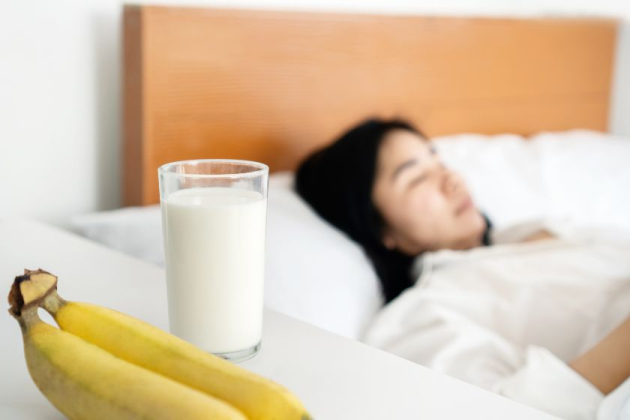
To je obecně doporučený časový rámec pro konzumaci jídla před spaním. Jíst v tomto časovém okně umožňuje tělu dostatek času na trávení jídla, aniž by způsobovalo nepohodlí nebo narušovalo spánek.
Pokud jíte těžká a mastná jídla, mělo by to být alespoň 3-4 hodiny před spaním. Těžká jídla mohou zůstat v žaludku déle a způsobit pálení žáhy nebo nepohodlí, což může narušit váš spánek.
Pokud potřebujete malou svačinu před spaním, je lepší zvolit lehká jídla a konzumovat je přibližně 30 minut až hodinu před spaním. Lehké svačiny, jako jsou banány, ořechy nebo řecký jogurt, mohou být dobrými volbami.
Kofeinové nápoje by měly být konzumovány minimálně 6-8 hodin před spaním, aby se zajistilo, že neovlivní váš spánek. Alkohol může narušit spánkový cyklus, takže je lepší ho omezit nebo se mu vyhnout několik hodin před spaním.
Každý člověk je jiný, a proto je důležité naslouchat svému tělu. Pokud se cítíte hladoví před spaním, zvolte lehkou a snadno stravitelnou svačinu. Pokud máte problémy s pálením žáhy nebo zažívacími potížemi, upravte časování a složení jídla tak, aby vám vyhovovalo.
Vybrat správné jídlo před spaním může výrazně ovlivnit kvalitu vašeho spánku. Lehké, snadno stravitelné jídlo bohaté na živiny, které podporují spánek, vám může pomoci lépe spát, zatímco těžké, mastné nebo kofeinové potraviny mohou váš spánek narušit.
 Výprodej

 Matrace
 Postele z masivu
 Rošty do postele
 Čalouněný nábytek
 Akční sety
 Polštáře a bytový textil
 Zdravotní polohovací pomůcky
 Ostatní výrobky PURTEX
 Akční produkty za zvýhodněné ceny
 Potahy na matrace
 Pelíšky pro psy
 Zlevněné zboží