 Log in


 Cart
Cart
Loading...
Váš nákupný košík je momentálne prázdny.
Přidejte produkty do košíku.
When you buy a mattress, it’s never for a lifetime. Over time, it will wear out. How often should you replace your mattress? If you find it difficult to sleep, wake up during the night, have back pain in the morning, and feel tired and unrested, that’s a sign that it’s time to get a new, quality mattress.
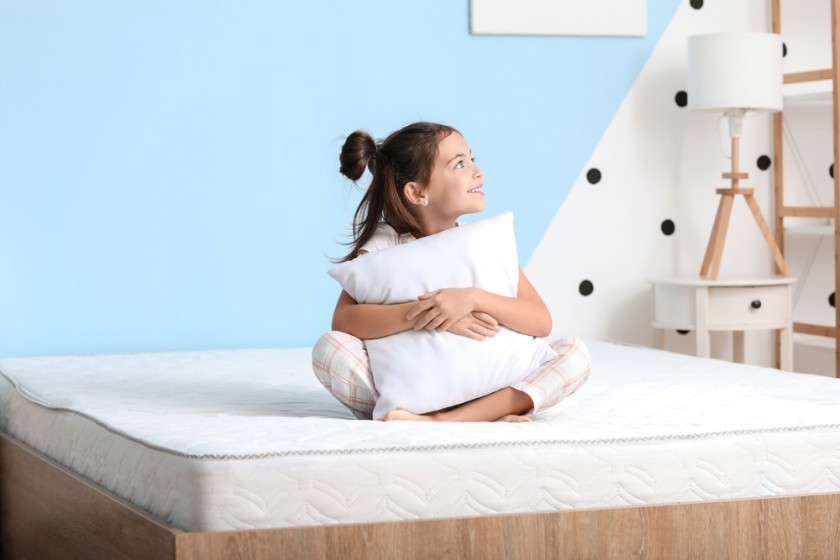
Many things around us wear out, especially depending on how much they are used. In the case of mattresses, it is one of the most used items, as we spend up to a third of our time on it. Even if a mattress is made from high-quality materials, it will wear out over time. Materials start to lose elasticity and their original properties, fibers begin to break, the surface may wear down, and mechanical damages may accumulate. What lifespan does a mattress have? When is the right time to replace a mattress and how to care for it to extend its lifespan? We will answer all this in this article.
What is the actual lifespan of a mattress? It is primarily the period when the mattress provides its original properties, which is why you purchased it. While some mattresses need to be discarded after 5 years, for others, this is not even half of their lifespan. How long a mattress lasts is governed by a number of factors, which you should also consider when selecting a new mattress.
The lifespan of a mattress primarily depends on its material. Foam mattresses, especially those made from memory foam, typically last 7-10 years if made from quality foam. Spring mattresses usually have a lifespan of 5-8 years because springs lose elasticity and support over time. Latex mattresses are known for their long lifespan, which can exceed 10-15 years, especially with natural latex. Hybrid mattresses that combine springs and foam have an average lifespan of 7-10 years, depending on the quality of materials used. This is, of course, a rough range that gives an indication of how often to replace mattresses. The true lifespan, however, is only recognizable through the use of a specific model of mattress.
The quality of the materials used plays a crucial role in lifespan. Higher density foam or natural latex provides greater resistance to wear. The height of the mattress is also important; lower mattresses generally wear out faster than higher ones. The material wears out more easily and loses its properties. Intensity of use and adherence to the load capacity of the mattress also matter – if a mattress is continuously overloaded, its wear will be higher.
Appropriate care has a significant impact on the lifespan of the mattress, but we will return to this point later.
You should replace your mattress if it stops providing adequate support and begins to affect your sleep quality. As soon as you start to feel pain or your sleep becomes uncomfortable, the lifespan of the mattress is over. Warning signals also include permanent indentations or squeaking springs. If you wake up feeling unrested or stiff, it is likely that the mattress no longer fulfills its function. Even if the mattress visually appears to be fine, after 7-10 years it is advisable to replace it, as materials may lose their original properties even if you don’t always feel it.
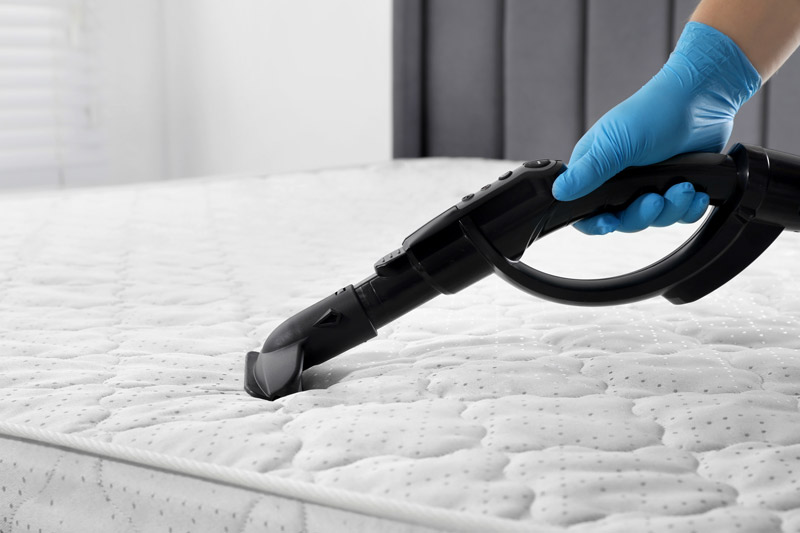
Proper care of your mattress is key to extending its lifespan, maintaining hygiene, and ensuring comfortable sleep. With regular maintenance, your mattress will retain its properties longer, providing optimal support and comfort. Caring for your mattress is not particularly complicated and it is definitely worth investing a little time and effort because it will ultimately save you money and provide greater comfort.
If you feel that your mattress belongs in the eternal hunting grounds, don’t hesitate to replace it with new quality mattresses. In our offer, you can easily find those that will reliably serve you for another decade.
 Sale
Sale

 Mattress
 Solid Wood Beds
 Bed Bases
 Upholstered Furniture
 Action Sets
 Pillows and Home Textiles
 Health Positioning Aids
 Other PURTEX products
 Action Products at Discounted Prices
 Mattress covers
 Dog beds
 Discounted Goods