 Log in


 Cart
Cart
Loading...
Váš nákupný košík je momentálne prázdny.
Přidejte produkty do košíku.
Spánková apnoe je závažná porucha spánku, při které dochází k opakovanému přerušování dýchání během noci. Tento stav může vést k chronické únavě, zvýšenému riziku srdečních onemocnění, vysokému krevnímu tlaku a dalším zdravotním komplikacím. Představíme si příčiny a příznaky spánkové apnoe a především způsoby, jak se jí zbavit.
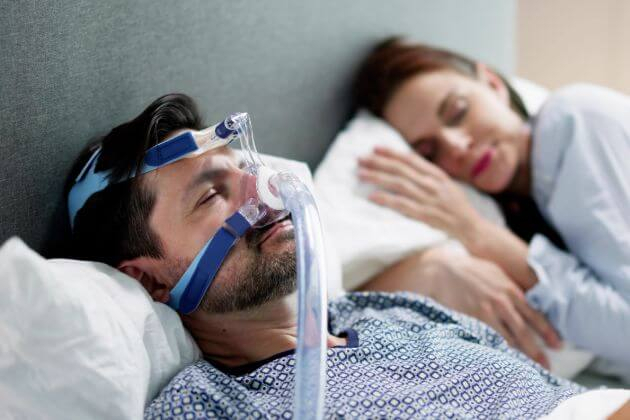
The causes of sleep apnoea can vary, affecting the airway passage or the brain's control of breathing. Generally, there are two main types: obstructive sleep apnoea (OSA) and central sleep apnoea (CSA).
In obstructive sleep apnoea, the main cause is blockage of the airway during sleep, which can be caused by being overweight or obese. Fat deposits around the neck can constrict the airway and cause it to collapse. Another cause is weakness of the throat and tongue muscles, which can occur with age or due to alcohol and sedative use. Some individuals also have anatomical predispositions, such as narrow airways, large tonsils, enlarged tongue, or a deviated septum, increasing the risk of this condition. Smoking leads to inflammation and swelling of the airways, further contributing to narrowing. Alcohol and sedatives cause excessive relaxation of throat muscles, increasing the likelihood of collapse. Sleeping on your back can also contribute to breathing difficulties, as gravity pushes soft tissues in the throat to block the airflow more easily. Genetic predisposition also plays a significant role – if someone in the family suffers from sleep apnoea, there is a higher likelihood it will occur in other family members.
Central sleep apnoea has different causes, as it is related to disorder of the brain's control of breathing. Common causes include neurological diseases, such as Parkinson's disease, stroke, or brain tumours, that can affect areas responsible for regulating breathing. Heart failure is another significant factor that can lead to central sleep apnoea because the heart and brain fail to coordinate breathing properly. Staying at high altitudes, where there is lower oxygen levels, can temporarily induce breathing disturbances during sleep. The use of opioid medications can also disrupt the brain centers responsible for breathing, leading to irregular breathing patterns during sleep.
Both forms of sleep apnoea can significantly affect sleep quality and overall health; thus, it is important to recognize their causes and initiate appropriate treatment promptly.
It is essential to recognize the symptoms of sleep apnoea. Many people are unaware of their issues as the breathing stops during sleep, but there are specific symptoms that may indicate the presence of this condition.
Sleep apnoea affects people of all ages, but it is most commonly found in overweight or obese individuals, middle-aged and older men, people with genetic predisposition, smokers, and individuals consuming alcohol, as well as those with high blood pressure or diabetes, and individuals with narrowed airways or anatomical abnormalities (e.g., enlarged tonsils, small lower jaw).
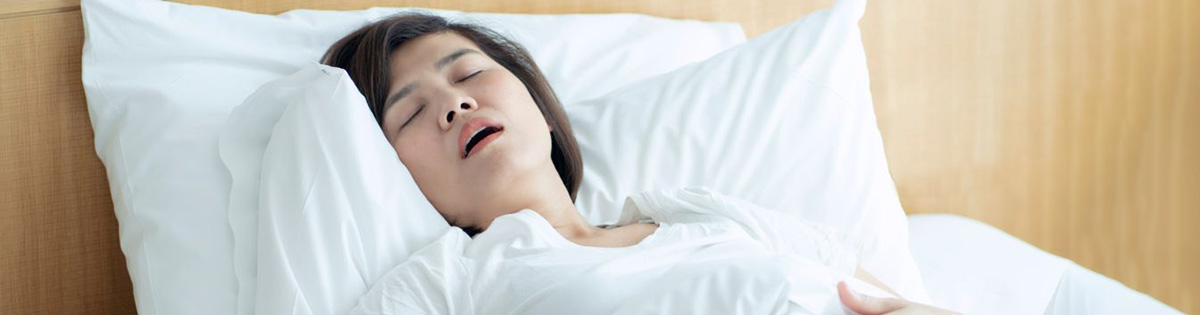
How to get rid of sleep apnoea? Treatment for sleep apnoea depends on its severity and causes. In mild cases, improvements can be made through lifestyle changes, while more severe forms may require special devices or surgical interventions.
One of the most effective ways to alleviate or eliminate sleep apnoea is through lifestyle modifications. Key factors include weight reduction since being overweight and obese increase the risk of airway constriction. Even a slight weight loss can significantly improve sleep quality and reduce the frequency of apnoeic episodes. It is also crucial to avoid alcohol and sedatives that relax throat muscles and worsen breathing during sleep. Smoking contributes to airway inflammation and swelling, further complicating breathing. The sleeping position also plays a vital role. People who sleep on their backs are more prone to sleep apnoea as the tongue and soft tissues can easily block the airway. Sleeping on one's side can significantly alleviate symptoms.
In cases of moderate to severe sleep apnoea, specialized treatment is often necessary. The most effective method is therapy using a CPAP (Continuous Positive Airway Pressure) machine that keeps the airway open by delivering mildly pressurized air during sleep. There are also alternative devices, such as BiPAP (bilevel positive airway pressure), which adapt to the natural rhythm of breathing, or APAP (automatic positive airway pressure), which automatically adjusts pressure according to the patient's needs. For some patients, special dental appliances that help move the lower jaw and tongue forward, preventing airway blockage, may also be suitable. These appliances are most effective for individuals with mild sleep apnoea.
In cases where lifestyle changes and device therapy are insufficient, surgical treatment may be considered. One option is to remove excess soft tissue in the throat or to modify the palatal part of the oral cavity, which can help widen the airways. Another surgical method involves advancing the jaw to create more space for airflow. In some patients, implantation of a device that electrically stimulates the muscles in the throat to prevent airway closure during sleep may also be helpful.
Some people seek alternative methods for treating sleep apnoea. Exercises aimed at strengthening the throat and tongue muscles may help reduce the number of apnoeic episodes. Regular singing, playing wind instruments, or special exercises to strengthen the tongue and palate, are beneficial. Herbal remedies, such as lavender or chamomile, can aid in achieving better sleep quality, but do not address the underlying cause of sleep apnoea. Similarly, some dietary supplements, such as magnesium or melatonin, may promote muscle relaxation and overall recovery during sleep.
A proper mattress choice can also play a crucial role in treating sleep apnoea. A comfortable and supportive mattress can help alleviate the symptoms of sleep apnoea by supporting proper body position and ensuring uninterrupted sleep.
Individuals suffering from sleep apnoea often find that their symptoms worsen when sleeping on their backs. In this position, the tongue and soft tissues in the throat can fall backward and block the airways. A mattress that provides adequate support and helps maintain the body in a slightly elevated position can reduce the risk of these blockages. Mattresses with adjustable firmness or compatible with adjustable beds allow users to sleep with their head and chest slightly raised, helping to keep the airways open. Memory foam or hybrid mattresses with ergonomic support can also help maintain proper spinal alignment and reduce pressure on the neck area.
Snoring is a common symptom of sleep apnoea and can be caused by poor body posture during sleep. A quality mattress that supports the natural curvature of the spine helps keep the airways open and reduces snoring intensity. Another advantage is movement dampening. People with sleep apnoea often toss and turn restlessly during the night, waking up, which can disturb their partner's sleep. Foam-core mattresses or those that reduce motion transfer minimize these disruptive factors and ensure a more peaceful sleep.
Overheating during sleep can worsen the quality of rest and lead to more frequent awakenings. Some mattresses, especially traditional foam models, can trap heat and cause discomfort. For individuals with sleep apnoea, mattresses made from breathable materials, such as gel memory foam, latex, or hybrid mattresses with springs, are ideal as they support air circulation and maintain optimal temperature throughout the night.
In addition to directly impacting the airways, a quality mattress contributes to healthier and deeper sleep. Poor-quality sleep can exacerbate fatigue and other sleep apnoea symptoms. The right mattress helps keep the body comfortable, minimizes pressure points, and supports recovery during sleep.
Sleep apnoea is a serious health issue that should not be underestimated. It is important to recognize its symptoms early and take measures to improve sleep quality. Many factors can be influenced by lifestyle changes, and when it comes to mattresses, we are here to help. In our mattress selection, you will certainly find the one that can help with your issue, and if not, we will happily advise you on your choice.
 Sale
Sale

 Mattress
 Solid Wood Beds
 Bed Bases
 Upholstered Furniture
 Action Sets
 Pillows and Home Textiles
 Health Positioning Aids
 Other PURTEX products
 Action Products at Discounted Prices
 Mattress covers
 Dog beds
 Discounted Goods