 Log in


 Cart
Cart
Loading...
Váš nákupný košík je momentálne prázdny.
Přidejte produkty do košíku.
The most effective and safest way to remove pilling from your mattress is to use an electric fabric shaver. A simple sharp razor or a clean cosmetic pumice stone can also serve as a quick alternative; just lightly glide over the taut surface.
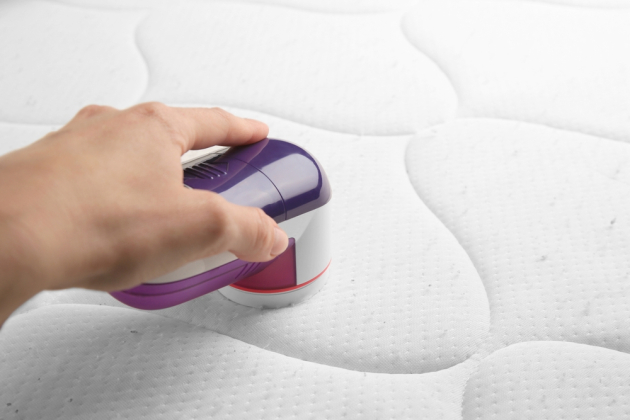
Pilling is a natural process caused by the everyday friction of the sheet and pajamas against the cover. Although these small balls do not reduce the functionality of your bed, they can be unpleasant to the touch. Read our guide on how to easily smooth the surface and how to prevent pilling in the future.
The occurrence of pilling does not indicate poor product quality. It is purely a result of mechanical stress. During sleep, we constantly turn over, which creates microscopic friction between the cover, sheet, and our body. The fine fibers on the surface loosen with this movement, get tangled, and form unsightly knots. They appear more frequently and visibly in fabrics that contain synthetic materials (e.g. polyester). While synthetics provide the cover with the necessary strength and durability, the loosened fibers cling more tightly to the surface and do not drop off on their own.
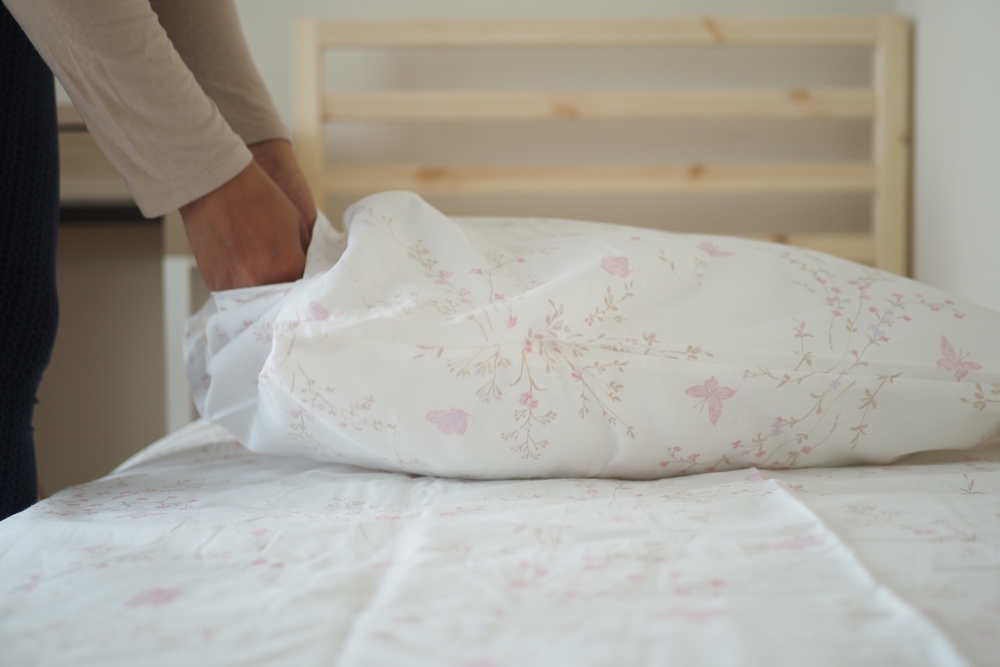
Removing unsightly pills is just the first step. To ensure long-term comfort in your sleep, you must focus on prevention. The golden rule is: the cover should never be subjected to direct mechanical friction.
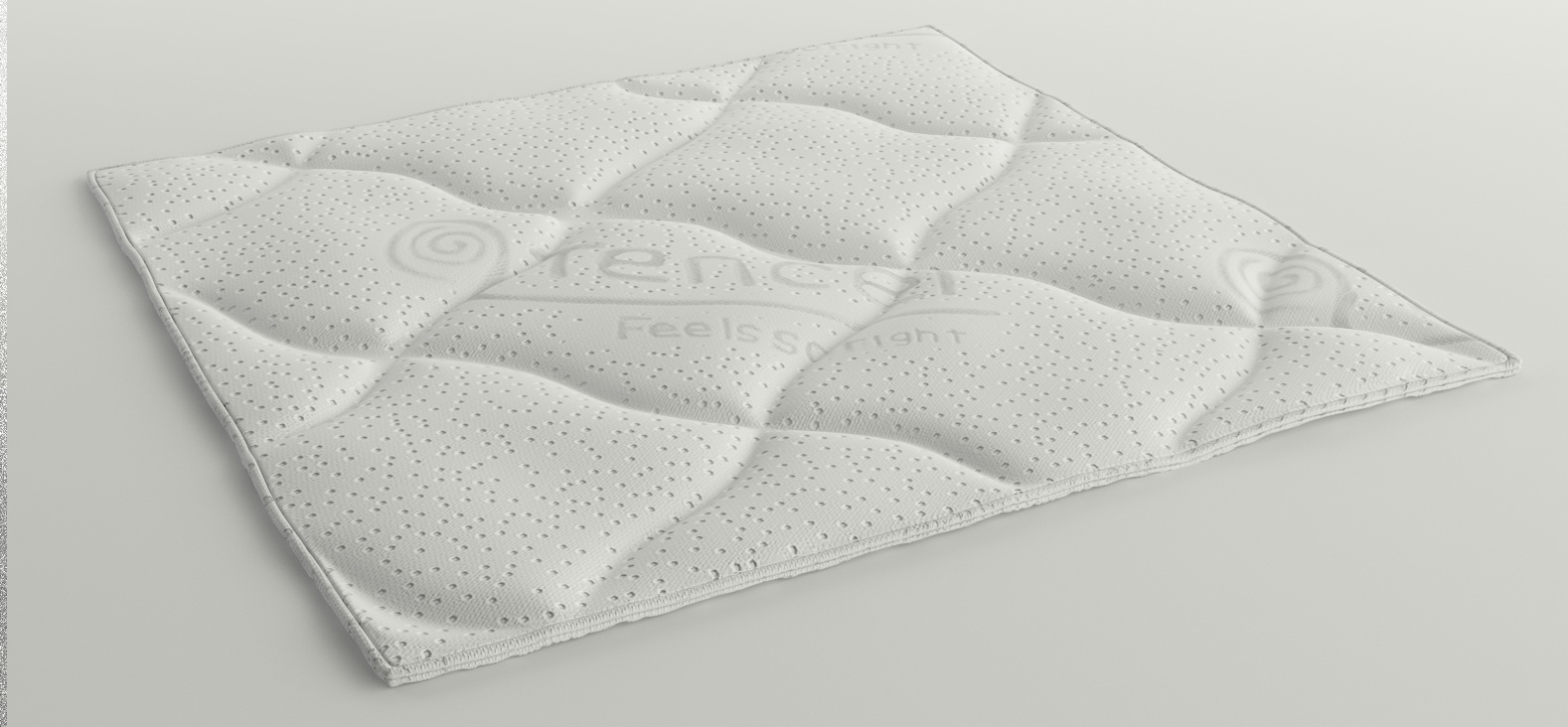
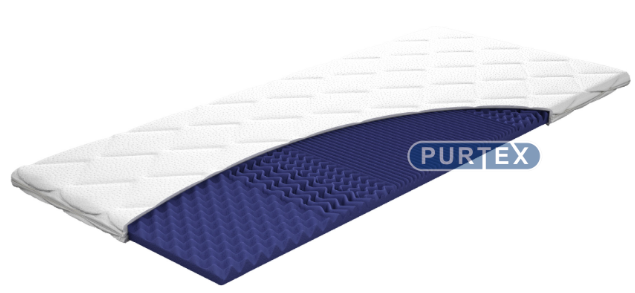
Therefore, the most effective solution is high-quality mattress protectors. They act as an impermeable shield that absorbs all friction, sweat, and dust. They can be easily removed and washed, which radically extends the life of the mattress itself. However, if your current cover is already too worn, torn, or dirty, you don’t need to buy an entirely new bed right away. Simply explore the alternative mattress covers that you can easily fit onto the core to make your bed look new again.
Proper maintenance is key to quality sleep. If you want to learn more about how to tackle stains and odors, we recommend our detailed guide on how to thoroughly clean your mattress. And if you're unsure whether it's time for a complete replacement, definitely read what the lifespan of a mattress is and how to take care of it.
No, pilling is a natural physical phenomenon associated with regular use and friction of textiles. It is not a manufacturing defect and does not diminish the orthopedic properties of the core – it is purely a visual and aesthetic wear.
Unfortunately, washing alone will not remove the pills. In fact, an improperly chosen washing program with high spins may increase friction of the fibers against the drum and accelerate the pilling process. A mechanical intervention is always necessary to remove them.
To reduce friction, we recommend using smooth, high-quality sheets with a tight weave – such as made of mako-satin, smooth cotton, or bamboo fiber. Avoid coarser materials and terry sheets, which can catch on the structure of the cover much more easily.
 Sale
Sale

 Mattress
 Solid Wood Beds
 Bed Bases
 Upholstered Furniture
 Action Sets
 Pillows and Home Textiles
 Health Positioning Aids
 Other PURTEX products
 Action Products at Discounted Prices
 Mattress covers
 Dog beds
 Discounted Goods