 Log in


 Cart
Cart
Loading...
Váš nákupný košík je momentálne prázdny.
Přidejte produkty do košíku.
How to improve deep sleep? The most effective solution is a cooler bedroom (around 18 °C), complete darkness, limiting blue light, and avoiding alcohol before sleep. The deep phase is crucial for overall physical recovery, tissue repair, and strengthening immunity. If you regularly wake up feeling "shattered," our guide will show you how to effectively enhance the quality of this vital rest.
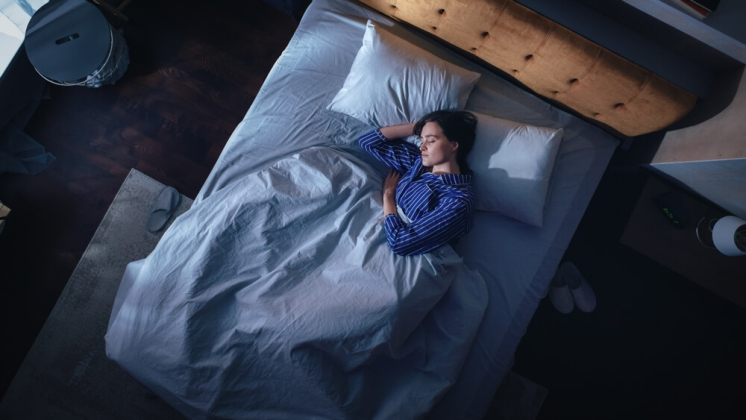
During the night, we go through several sleep cycles. Deep sleep (also known as NREM phase 3 and 4) is the time when your body, so to speak, goes into "service". Brain waves slow down significantly, and blood pressure and heart rate decrease. Blood shifts from the brain to the muscles, where intense healing and cell restoration takes place.
Whether you are actively training for a marathon or have had a long, stressful day at your computer, your body repairs and strengthens itself right now. During this time, growth hormone is released and the brain cleanses itself of toxic proteins. If you are interested in a more detailed breakdown of the individual cycles throughout the night, check out our overview of sleep phases.
Extending the time spent in deep sleep requires setting the right conditions. Here are the most effective ones:
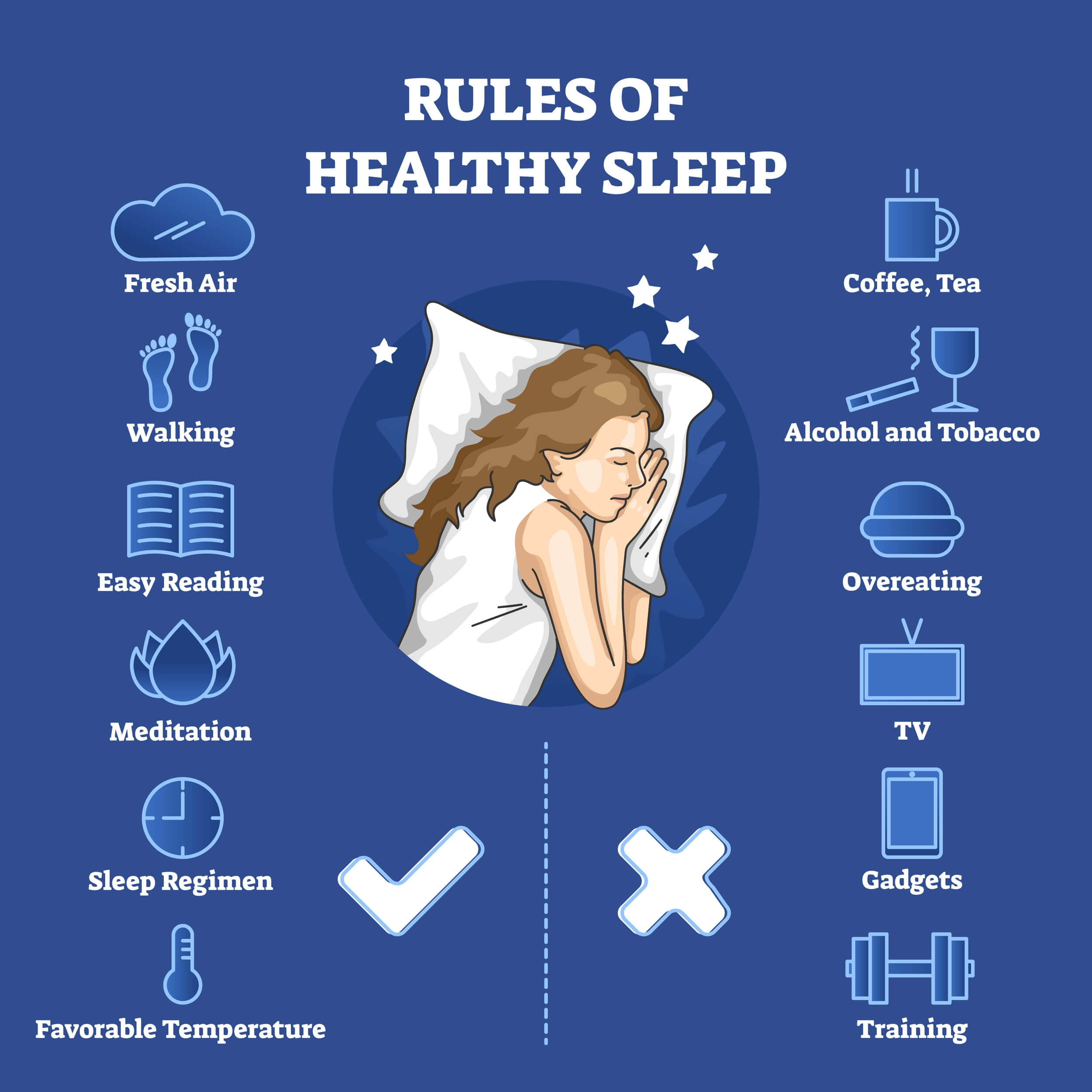
For the brain to transition into deep sleep, body temperature must drop slightly. The ideal temperature in the bedroom should be between 16 and 19 °C. You can take a warm shower before bedtime – once you step into a cooler room, your body temperature will drop quickly, which the brain interprets as a signal for sleep.
If your shoulder hurts or the mattress sinks, your brain subconsciously forces you to change positions. These so-called micro-awakenings instantly pull you out of deep sleep back into light sleep without you remembering it in the morning. Therefore, the basis of uninterrupted rest is a quality mattress that perfectly distributes your body weight.
Although alcohol acts as a sedative and helps you fall asleep faster, it drastically disrupts sleep architecture. It completely blocks the production of deep and REM sleep and turns the night into a series of light, poor-quality naps.
Regular physical activity (like running or brisk walking) has been proven to extend the duration of deep sleep. However, you should finish intense training at least 2 to 3 hours before bedtime. Late exertion raises body temperature and cortisol levels, making it more difficult to fall asleep.
Light from screens, tablets, and phones stops melatonin production (the sleep hormone). Try to swap screens for a printed book or listening to a podcast at least an hour before bed.
Recent studies show that listening to seamless pink noise (the sound of rustling leaves, gentle rain, or ocean waves) helps stabilize brain waves and can extend the deep sleep phase.
How much deep sleep do I actually need?
For an adult, deep sleep should make up about 15 to 25% of total sleep time. If you sleep for 8 hours, the ideal time spent in this phase is between 1 to 2 hours. As you age, this proportion naturally decreases slightly.
Can I catch up on lost deep sleep over the weekend?
Unfortunately no. Your body cannot "make up" for recovery in one go. While you can partially offset sleep debt by sleeping in over the weekend, the key to true vitality is strict regularity – going to bed and waking up at the same time, even on weekends.
Why do I wake up tired even after sleeping for 8 hours?
Quality always outweighs quantity. If you spend too much time in light sleep and minimal time in deep sleep, you'll feel exhausted in the morning. Possible culprits can include an unsuitable environment (noise, heat, a bad mattress), consuming caffeine in the late afternoon, or even an undiagnosed health issue, such as sleep apnea.
 Sale
Sale

 Mattress
 Solid Wood Beds
 Bed Bases
 Upholstered Furniture
 Action Sets
 Pillows and Home Textiles
 Health Positioning Aids
 Other PURTEX products
 Action Products at Discounted Prices
 Mattress covers
 Dog beds
 Discounted Goods