 Log in


 Cart
Cart
Loading...
Váš nákupný košík je momentálne prázdny.
Přidejte produkty do košíku.
Have you ever asked people around you how long they sleep? You would probably receive very different answers. Some people sleep only 5 hours a day, while others enjoy lying down longer and sleep more than 8 hours. But how long is it really appropriate to sleep? Our bodies vary; everyone has a slightly different organism with slightly different demands. These vary based on lifestyle, job complexity, our leisure activities, and other factors.
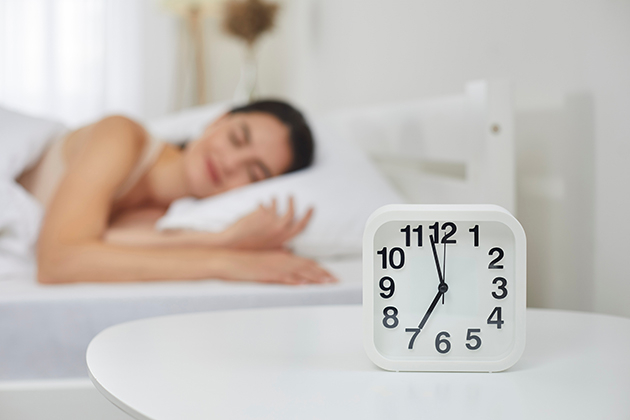
Nevertheless, there are certain recommendations that vary mainly according to our age.
Children require the most sleep because their bodies are developing. For adults, it is different, and often adults have the most problems with a lack of sleep. Nevertheless, sleep is important for adults as the body regenerates during it. Working late into the night, staying up, or stress can disrupt sleep hygiene. As our activities and needs vary, it is important to listen to your body. How do you feel upon waking? If you feel unrefreshed, tired, or irritable, it's a sign that you should sleep longer. Only when you wake up feeling rested and full of energy is it a sign that your sleep was adequate.
Why does everyone need a different amount of sleep? It is primarily genetically determined. A 2009 study discovered that some people have a mutation in the DEC2 gene. These individuals can function effectively with very little sleep. In fact, people with this mutation feel well-rested after just 6.25 hours of sleep per night. In 2019, a second gene for short sleep was discovered when scientists at the University of California, San Francisco identified 50 families whose members need less than 6.5 hours of sleep per night. Some people simply need less sleep, while others require more.
It is important to go to bed around the same time every day and have a routine that promotes restful sleep. This means avoiding blue light from phones or monitors before bed, not eating heavy meals, or addressing anything that might hinder your sleep. The right mattress is also crucial to achieving the correct position and falling into deep sleep more quickly. For those working shifts, achieving a regular routine is more challenging. However, when dealing with sleep deficit, it is advisable to make up for it. Napping during the day can help restore lost energy, as even a short sleep can replenish it. You can also recover well on days when you are not at work. Don’t hesitate to spend the weekend in bed if that’s what your body needs; it’s always a good choice.
 Sale
Sale

 Mattress
 Solid Wood Beds
 Bed Bases
 Upholstered Furniture
 Action Sets
 Pillows and Home Textiles
 Health Positioning Aids
 Other PURTEX products
 Action Products at Discounted Prices
 Mattress covers
 Dog beds
 Discounted Goods