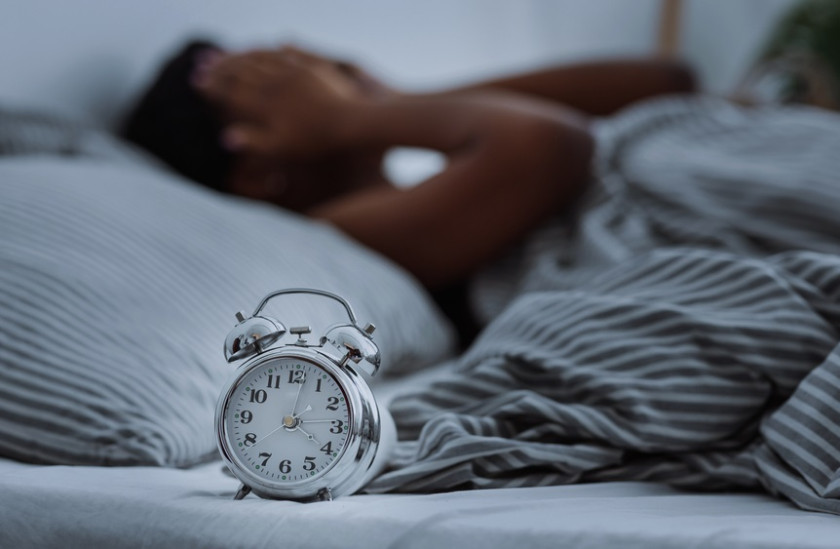
Have you heard of "sleep hygiene"? Whether you have or not, we can explain how important it is for us and why we should follow it. It is our certainty, a stereotype, a routine that positively affects our bodies in the evening when we should be going to sleep and not suffering from insomnia. Just as small children thrive on routine and order, we adults are essentially the same. That's why it happens that if we go on holiday, we break our routine a
Author:
Purtex
Added: 31. října 2022
Have you heard of "sleep hygiene"? Whether you have or not, we can explain how important it is for us and why we should follow it. It is our certainty, a stereotype, a routine that positively affects our bodies in the evening when we should be going to sleep and not suffering from insomnia. Just as small children thrive on routine and order, we adults are essentially the same. Therefore, it also happens that if we go on holiday, we break our routine and we may easily find it hard to sleep.
Stick to the Same Rules in the Evening
There are rules that significantly influence whether we fall asleep easily or not. Let’s list them:
In the evening avoid heavy meals, alcohol, coffee, green tea, nicotine, and drugs – heavy meals burden our digestive system, so it is recommended to eat last between 6:00 PM and 8:00 PM, depending on when you go to bed. Avoid any stimulating substances, such as teas with caffeine, or coffee, energy drinks, as well as smoking, alcohol, and especially drugs.
Don't exercise before bed and don't do manual work – heavy physical work or even an hour spent in the gym fully wakes up the body. You might think you will be tired afterwards, but the reality is that after hard work or exercise, it may take your body longer to find its calm, and you'll be tossing and turning in bed.
Don't read or engage in anything that disturbs or excites you – avoid TV, thrillers, horrors, politics, dealing with household expenses, and worries about children… In the evening, don't overload your brain. Instead, relax it by listening to pleasant spoken words, such as stories, humorous sketches, or an enjoyable audiobook. Or, you can read and pleasantly tire yourself out.
Ventilate, darken, and sleep – we should spend time in bed sleeping. Reading can be done in a chair or anywhere else. Your bed should be associated with sleep in your brain. Ventilate your bedroom, don’t overheat it, and darken it.
Don't sleep on an old, worn mattress – you should feel maximally comfortable in bed. With a properly selected mattress, ensure your bedding brings you great pleasure to lie in. It's also important to have pleasant bedding, a duvet that keeps you warm but not hot. The pillow should be rather smaller and longer so that it supports just your head and neck, and you still have it under your head if you turn to the other side. For example, an anatomical pillow is great.
Always go to bed at the same time – even on weekends and holidays when you are not going to school or work, you should go to bed at the same time. Best at 10:00 PM. Some may need less sleep and can go to bed at 11:00 PM or even midnight. You will know how rested and refreshed you feel in the morning. In any case, you should not change the time.
Teach your body to sleep. Get yourself comfortable pajamas, establish a daily ritual that you will follow, and only sleep in bed.
TIP:If you haven’t fallen asleep for 20 minutes or more, don’t wait for sleep in bed. Get up, walk around, you might try to drink some water. Read something or listen to calm spoken words. After half an hour, lie down again and try to sleep. Just lying in bed for 3 hours staring at the ceiling will only stress you out. It’s unnecessary. It pays to be patient and establish good sleep hygiene. You can also support sleep with herbal teas or dietary supplements.
 Log in


 Cart
Cart

 Sale
Sale

 Mattress
 Solid Wood Beds
 Bed Bases
 Upholstered Furniture
 Action Sets
 Pillows and Home Textiles
 Health Positioning Aids
 Other PURTEX products
 Action Products at Discounted Prices
 Mattress covers
 Dog beds
 Discounted Goods