 Log in


 Cart
Cart
Loading...
Váš nákupný košík je momentálne prázdny.
Přidejte produkty do košíku.
Sleep is crucial for a baby. How to choose a mattress that ensures healthy spine development, safety, and hygiene? We will advise you on what to focus on and what to avoid when selecting a mattress for a child's crib.
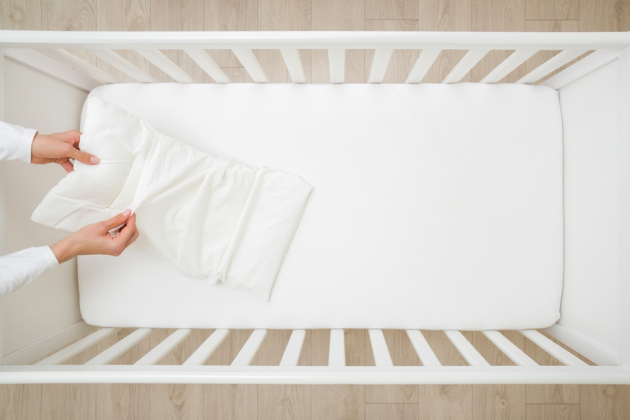
Sleep has a huge influence on a child's development. While the baby sleeps, brain connections are actively formed, immunity strengthens, and the body grows. For sleep to be truly restorative, it needs suitable conditions—and the most basic of these is a quality child's mattress. An unsuitable mattress can affect not only the child's sleep but also the correct development of the spine. Since a newborn does not yet have a fully developed skeleton or muscular support, it is crucial that the mattress supports the correct position of the spine. A mattress that is too soft can cause undesirable curving of the back or even increase the risk of suffocation when changing position during sleep. Conversely, a mattress that is too hard can be uncomfortable for the child and cause restless sleep. What type of mattress is ideal for a child's crib? When choosing, it is important to consider not only the price but primarily the composition of materials, firmness, breathability, and dimensions. Let's take a closer look.
To know how to choose a mattress for a child's crib, pay attention to the following points:
A mattress for a baby does not last forever, so it is essential to know not only what kind of mattress to use in the crib but also how often to replace it for children. It should be regularly checked and replaced in time. Generally, the recommended replacement is every 3–5 years, or sooner if signs of wear appear. If the child inherited the mattress from a sibling, always check its condition carefully. Mattresses deform over time, and even if they look good at first glance, they may not provide adequate support anymore. While you should follow these general guidelines on how often to change a mattress, for hygiene reasons it is recommended to purchase a new mattress after each child—to prevent the transmission of bacteria, allergens, or mold.
For more information, see our article "How often to change a mattress and how to know it's time for a new one?"
Proper care will extend the mattress's lifespan and ensure a healthy sleep environment. For detailed information on how to prolong mattress life, read our article "What is the lifespan of a mattress and how to take care of it?"
Not sure what is the best mattress for a child's crib? A popular choice for parents looking for a quality and safe solution for their baby's sleep is Purtex mattresses. Our company Purtex has long been specializing in the production of health and children's mattresses that meet strict standards in terms of safety and hygiene. Only certified materials free of harmful substances are used in the production process, which is crucial for babies. Purtex mattresses are designed to have optimal firmness supporting the proper development of children's spines while being well-ventilated, thereby minimizing the risk of overheating or sweating during sleep. Thanks to precise workmanship and attention to detail, these mattresses have a long lifespan and also offer removable and washable covers that ensure maximum hygiene. Parents also appreciate the wide range of types and sizes, making it easy to choose the ideal model that fits a specific crib.
Purtex also represents a combination of Czech quality, experience, and trustworthiness, making it a great choice for safe and healthy sleep for the smallest. With us, you can easily find out which mattress for a baby is the right one. Check out our offer and choose the children's mattresses that will ensure your baby enjoys a peaceful and healthy sleep.
 Sale
Sale

 Mattress
 Solid Wood Beds
 Bed Bases
 Upholstered Furniture
 Action Sets
 Pillows and Home Textiles
 Health Positioning Aids
 Other PURTEX products
 Action Products at Discounted Prices
 Mattress covers
 Dog beds
 Discounted Goods